The Overhead Athlete: A Comprehensive Treatment Approach

Overhead athletes of all ages are capable of accelerating their upper extremity to speeds that routinely exceed 7,000 degrees per second. The role of and interaction between the joints, tissues, and segments involved in this process is very complex, and often results in injuries to the shoulder and elbow. However, a large portion of power and motor control must come from the lower extremities and trunk. This course will examine common areas of dysfunction in the overhead athlete through easy to digest biomechanical framework, which addresses the entire kinetic, chain from wrist to ankle. Treatment approaches will emerge from an enhanced understanding of this framework and will be discussed in terms of manual techniques, exercise, simple video analysis, and appropriate treatment progression. 


By the end of the weekend, you’ll learn the mechanics of the throwing process to properly rehab a thrower plus how to look for issues that may have predisposed them for injury. While this course will focus on the throwing and pitching mechanics common to baseball, we’ll also explore how these mechanics can be carried into volleyball, tennis, and football. This course will also lead to discussions concerning the climate of youth sports and specialization.


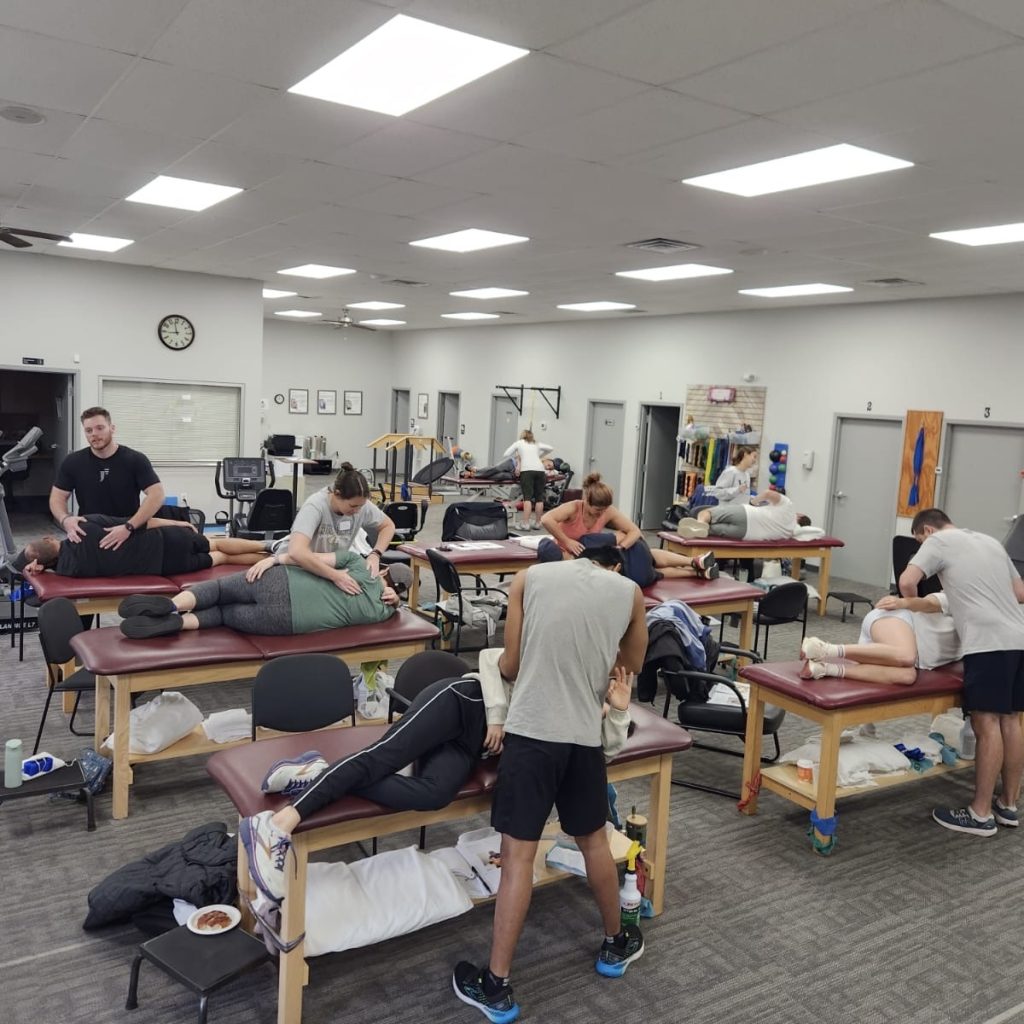
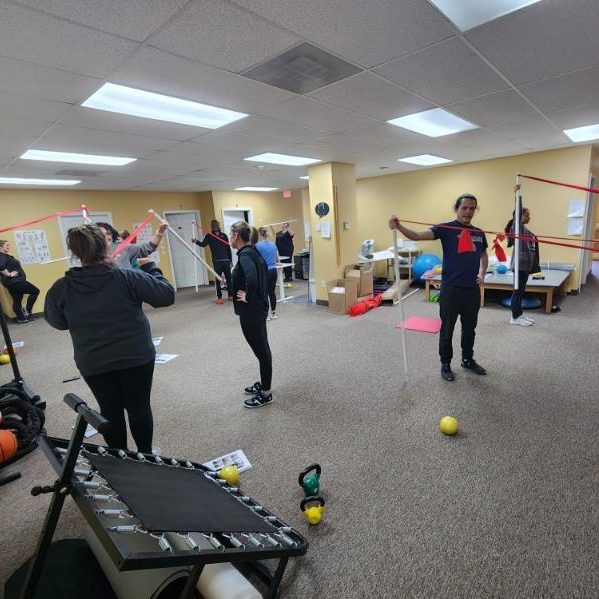
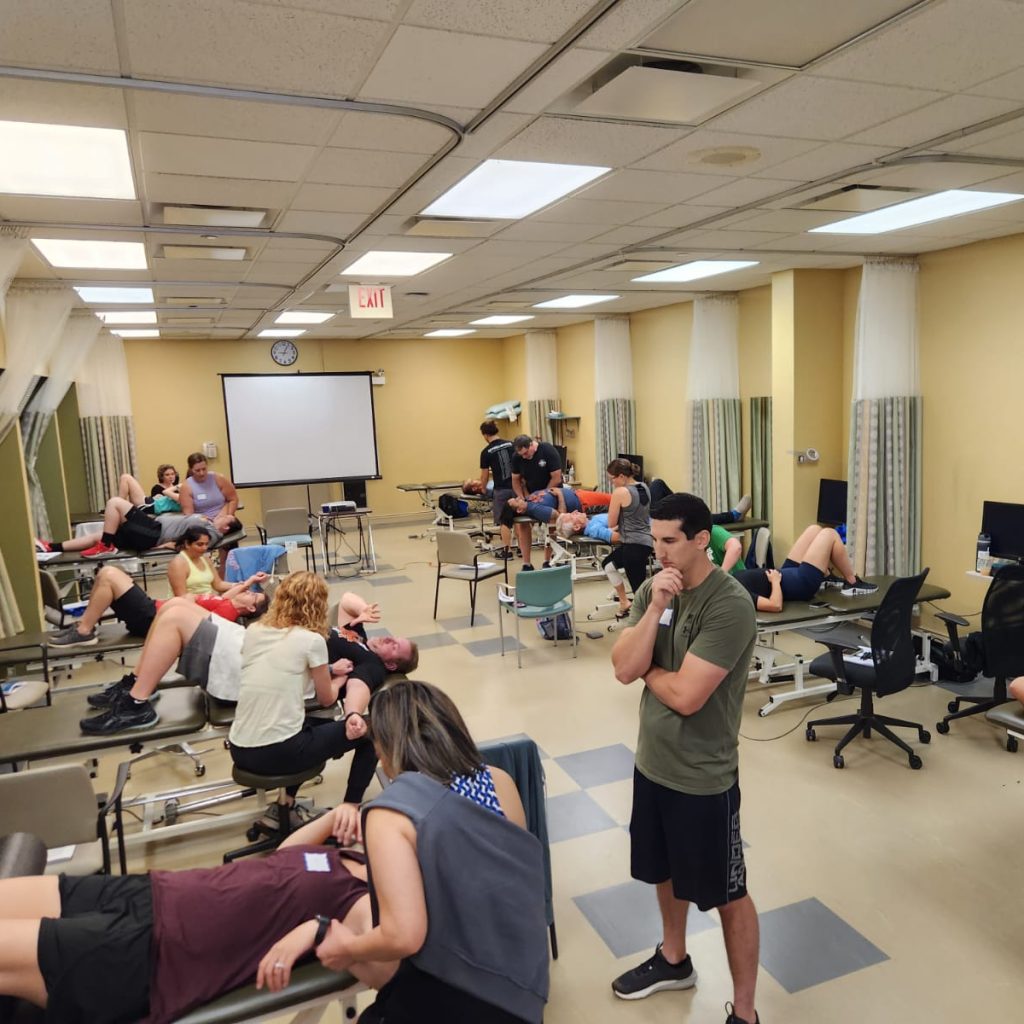
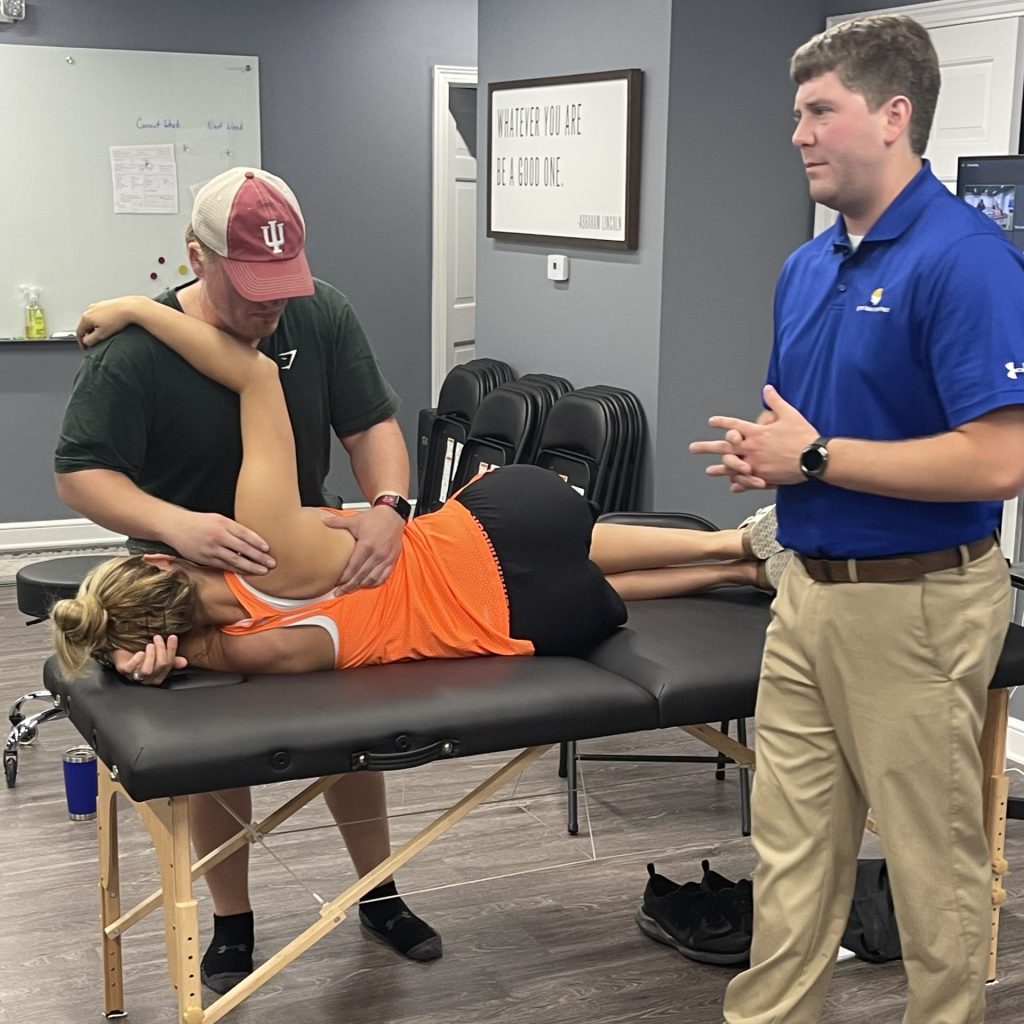
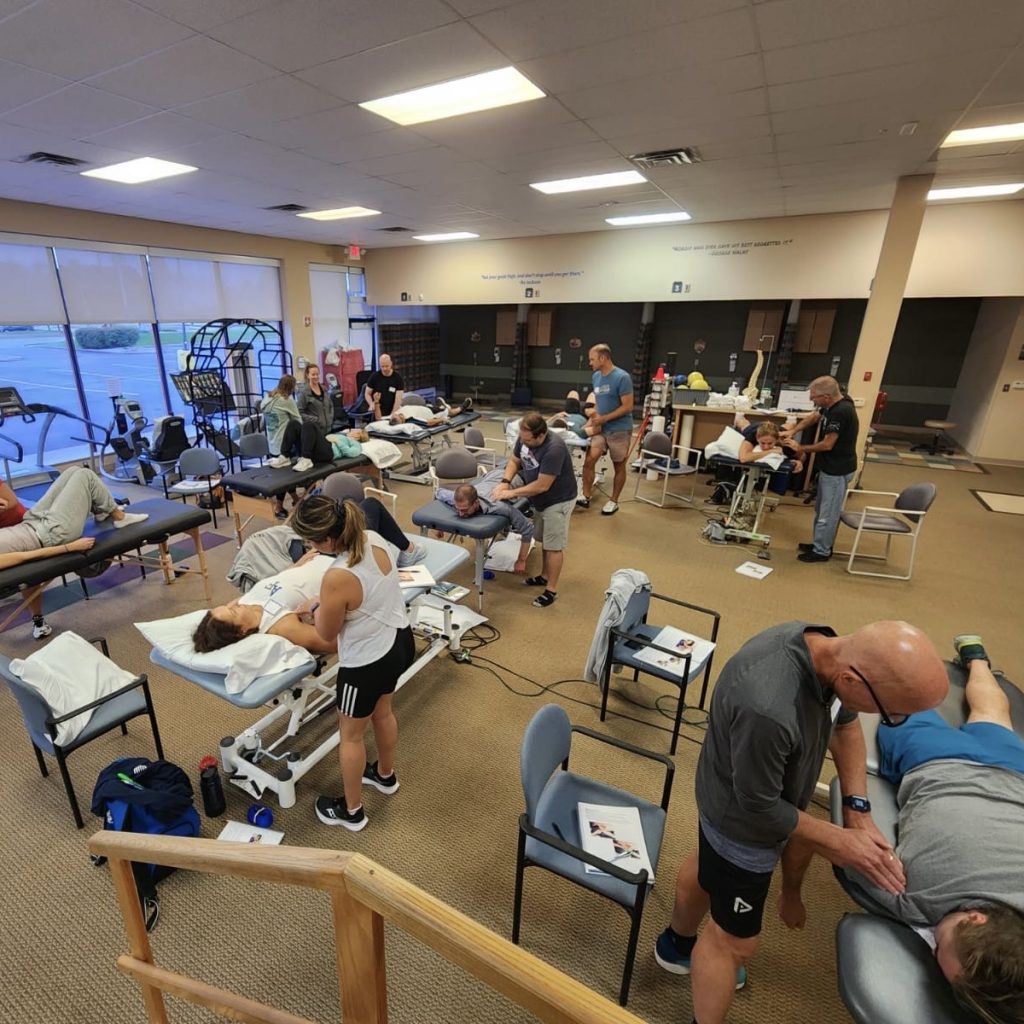
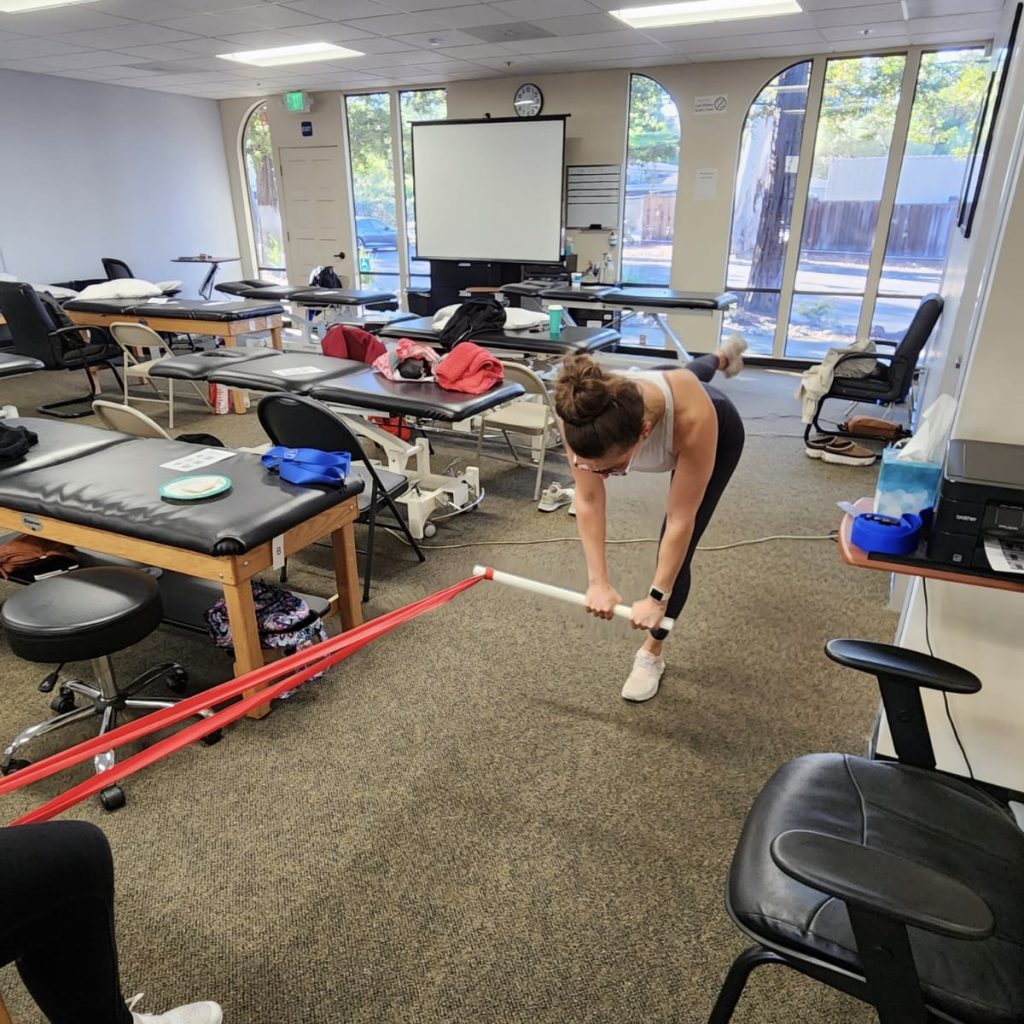
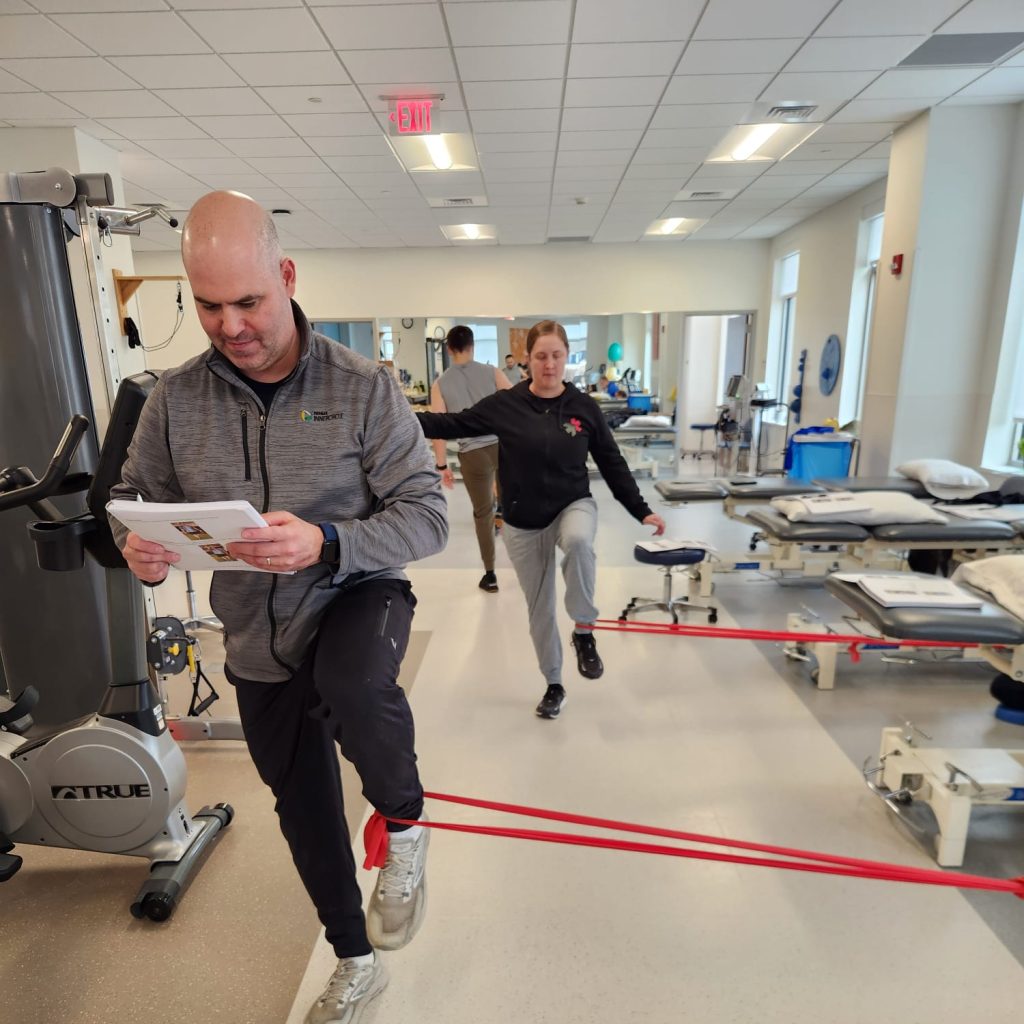
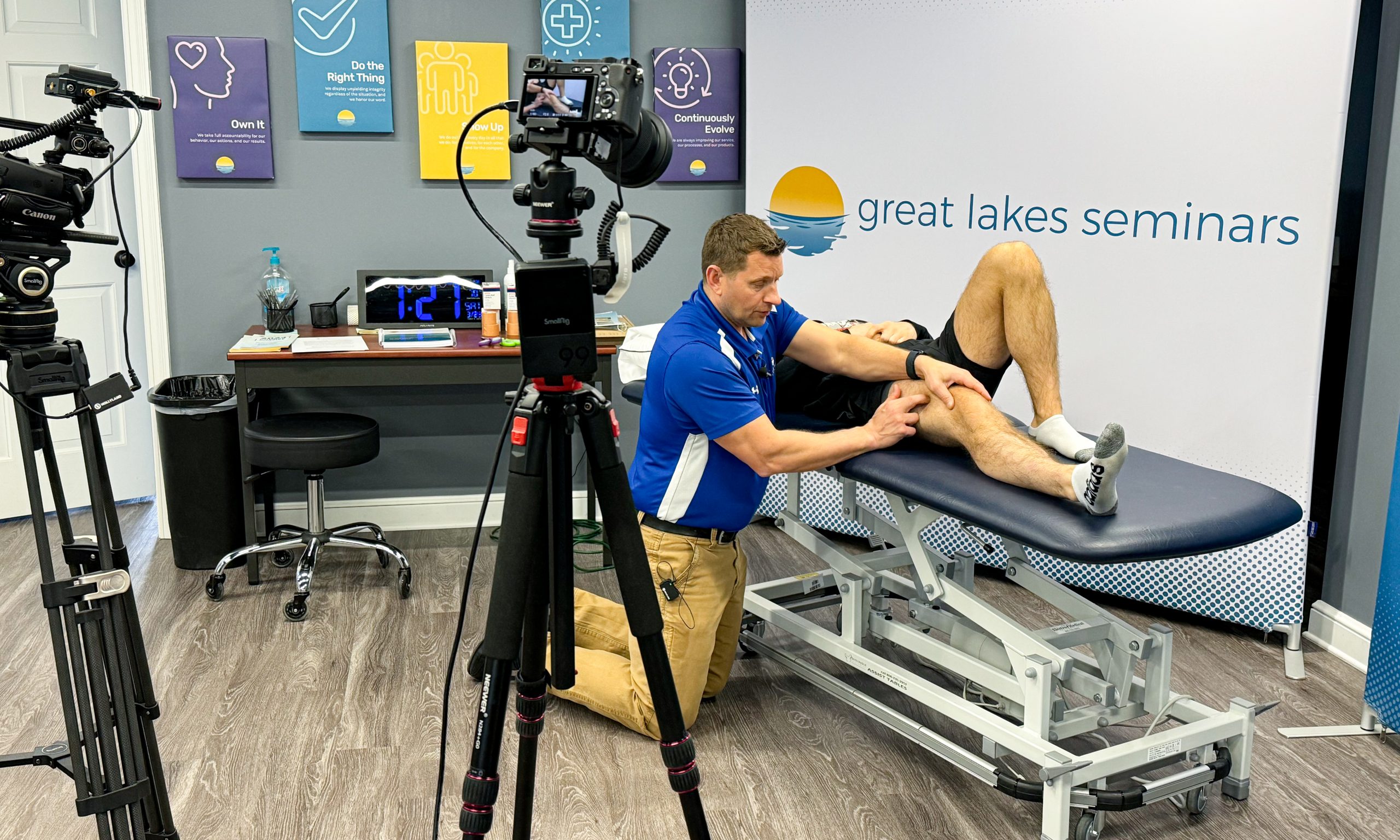
We’ll have fun in this course with live throwing demonstrations and video analysis that anyone can learn! As with all our manual therapy courses, this course is at least 75% hands-on lab, and will give you skills you can use immediately upon returning to the clinic.

Dates and Locations

2025

COURSE FULL!

Saturday – Sunday

December 6-7, 2025

2 days, 8:00 AM – 5:30 PM

Saint Peter’s Health and Wellness Center

562 Easton Ave, #3
Somerset, NJ 08873

Approved for 16.5 CEUs in most states. Check state approval below.

Instructor: Christopher Hagedon

$650.00 incl. Tax

2026

Saturday – Sunday

Feb 28 – Mar 1, 2026

2 days, 8:00 AM – 5:30 PM

BeMore Physical Therapy

20 New Plant Ct, #202
Owings Mills, MD 21117

Approved for 16.5 CEUs in most states. Check state approval below.

Instructor: Christopher Hagedon

$650.00 incl. Tax

Saturday – Sunday

March 28-29, 2026

2 days, 8:00 AM – 5:30 PM

Moreland Physical Therapy

2225 N McCarran Blvd
Sparks, NV 89431

Approved for 16.5 CEUs in most states. Check state approval below.

Instructor: Christopher Hagedon

$650.00 incl. Tax

Saturday – Sunday

April 25-26, 2026

2 days, 8:00 AM – 5:30 PM

Sentara Therapy Center Orthopedics and Sports Performance

6201 E Virginia Beach Blvd
Suite 110
Norfolk, VA 23502

Approved for 16.5 CEUs in most states. Check state approval below.

Instructor: Christopher Hagedon

$650.00 incl. Tax

Saturday – Sunday

November 7-8, 2026

2 days, 8:00 AM – 5:30 PM

St. Luke’s Hillcrest Physical Therapy & Balance and Concussion Center

755 Memorial Parkway, Suite 307
Phillipsburg, NJ 08865

Approved for 16.5 CEUs in most states. Check state approval below.

Instructor: Christopher Hagedon

$650.00 incl. Tax

At the completion of this course, participants will be able to:

  • Recognize 3 biomechanical characteristics that contribute to increased injury risk in the arm of the overhead athlete
  • Given a mechanical fault in the performance of the overhead sports movement, provide 2 biomechanical contributors to the mechanical fault
  • Recognize 3 sociocultural factors that contribute to the development of chronic/overuse injuries in the overhead athlete
  • Identify 3 postural characteristics common in the presentation of the overhead athlete
  • Given a specific joint/tissue dysfunction, provide 2 biomechanical contributors and 2 biomechanical consequences for the respective sport
  • Define the role of 3 different core muscles in the transfer of energy from the lower extremity to the upper extremity
  • Define the role of 3 different scapular muscles in the transfer of energy from the trunk to the arm
  • Correctly identify and perform mobilization/release of 3 scapular muscles
  • Correctly identify and perform mobilization/release of 3 trunk and/or hip muscles
  • Properly execute a functional strength assessment of upper extremity, lower extremity and trunk
  • Identify a dysfunctional movement pattern during functional movement assessment
  • Develop 2 motor retraining exercises that addresses dysfunctional movements identified during your movement/manual assessment
  • Develop 2 dynamic exercises that would reinforce motor retraining

At the completion of this course, participants will be able to:

  • Recognize 3 biomechanical characteristics that contribute to increased injury risk in the arm of the overhead athlete
  • Given a mechanical fault in the performance of the overhead sports movement, provide 2 biomechanical contributors to the mechanical fault
  • Recognize 3 sociocultural factors that contribute to the development of chronic/overuse injuries in the overhead athlete
  • Identify 3 postural characteristics common in the presentation of the overhead athlete
  • Given a specific joint/tissue dysfunction, provide 2 biomechanical contributors and 2 biomechanical consequences for the respective sport
  • Define the role of 3 different core muscles in the transfer of energy from the lower extremity to the upper extremity
  • Define the role of 3 different scapular muscles in the transfer of energy from the trunk to the arm
  • Correctly identify and perform mobilization/release of 3 scapular muscles
  • Correctly identify and perform mobilization/release of 3 trunk and/or hip muscles
  • Properly execute a functional strength assessment of upper extremity, lower extremity and trunk
  • Identify a dysfunctional movement pattern during functional movement assessment
  • Develop 2 motor retraining exercises that addresses dysfunctional movements identified during your movement/manual assessment
  • Develop 2 dynamic exercises that would reinforce motor retraining

Saturday


7:30am

Doors open

8:00am

Lecture: Introduction and the overhead athlete paradox

9:30am

Lecture: Anatomy review of shoulder complex, trunk, hips, lower extremity

10:30am

Lecture: The throwing motion

11:15am

Lecture: Biomechanics of the throwing motion and similar patterns (volleyball, tennis, swimming)

12:00pm

Lunch (on your own)

1:00pm

Lecture: Throwing mechanical deviations

1:30pm

Lecture: Sport specific biomechanics and rehab considerations

2:15pm

Lab: Overhead athlete screens and rehab considerations

3:00pm

Lab: Live throwing demonstration

3:30pm

Lab: Mobs, MET, and MFR of the ankle, hips, and trunk/spine

4:15pm

Lab: Mobs and MFR of the elbow, wrist, and forearm

5:00pm

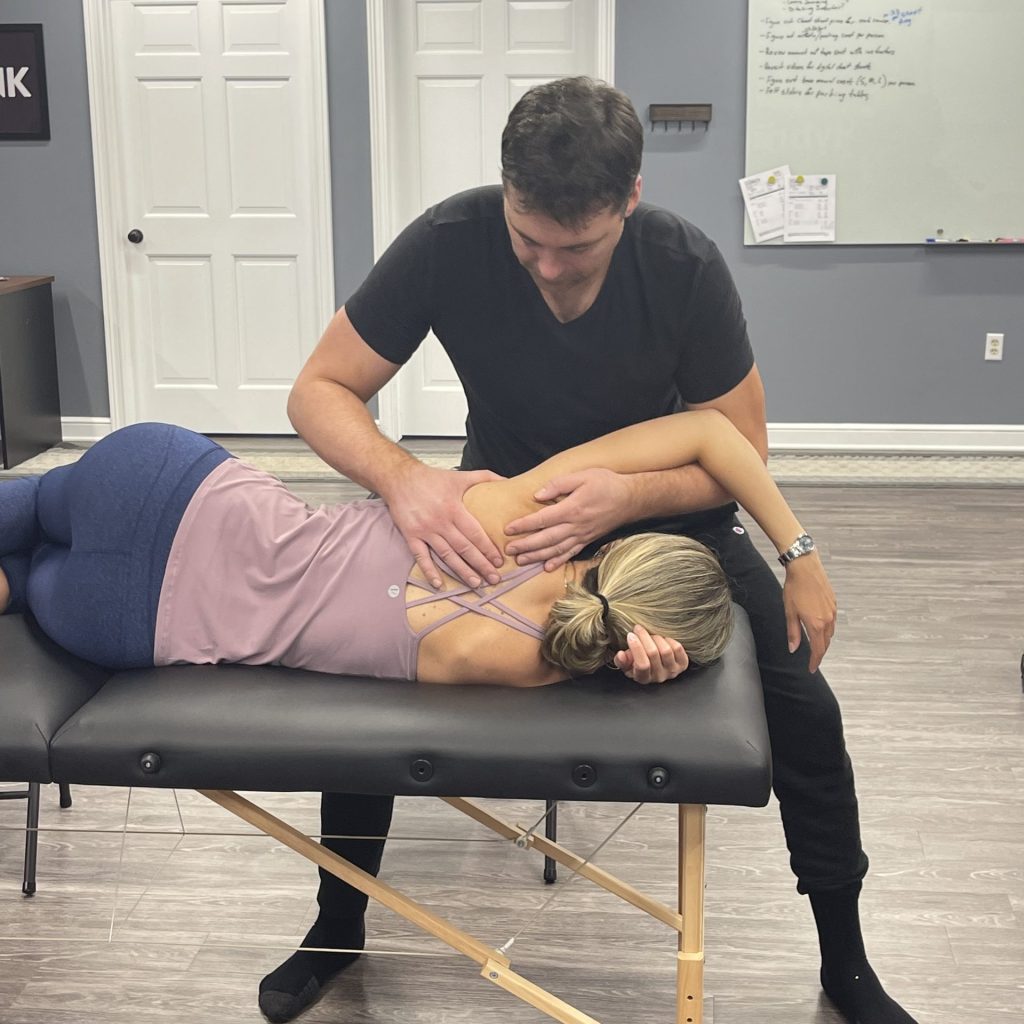
Lab: Mobs, MET, and MFR of the 1st rib and GH complex

5:30pm

Adjourn

Sunday


7:30am

Doors open

8:00am

Review of overhead athlete mechanics

8:15am

Lab: MET of the scap, MFR and mobs of SC and AC joints

9:00am

Lab: Review and video analysis using smartphone of previous day’s thrower

9:30am

Lab: Video analysis of other overhead athletes

10:00am

Lab/Lecture: Creating return to sport/throwing progression program

11:00am

Lecture: Review of current literature for pitch guidelines and youth sport considerations

11:30am

Lab: Exercise – Hip and thoracic mobility

12:00pm

Lunch (on your own)

1:00pm

Lab: Exercise – Trunk and pelvic control

1:30pm

Lab: Exercise – Hip hinge progression

2:00pm

Lab: Exercise – Scapular strengthening/motor control

2:30pm

Lab: Exercise – Manual resistance

3:00pm

Lab: Exercise – Sport specific rhythmic stabilizations and activities

3:30pm

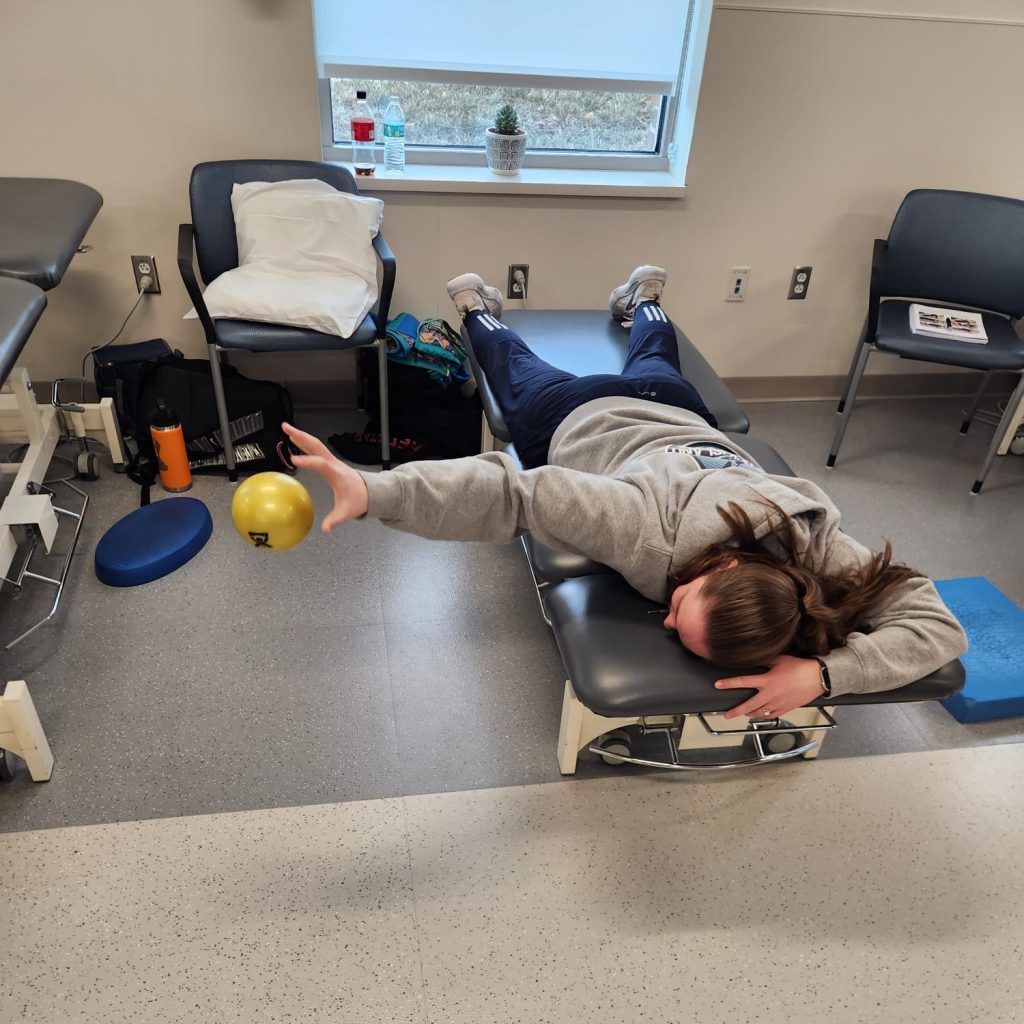
Lab: Exercise – Medicine ball control

4:00pm

Lab: Speed mobilizations

4:30pm

Lab: Review of lab materials

5:00pm

Adjourn

Approved for 16.5 hours for Physical Therapists and Physical Therapist Assistants: AL, AK, AZ, AR, CO, CT, DE, DC, FL, GA, HI, ID, IL, IN, IA, KS, KY, MD, MA, MI, MO, MT, NE, NH, NJ, NY, NM, NC, ND, OK, OR, PA, RI, SC, SD, TN, UT, VT, VA, WA, WI, WY

Approved for 16.5 hours for Occupational Therapists: AL, AZ, AR, CA, CO, CT, FL, GA, ID, IN, IA, KS, MA, MN, MO, NE, NV, NH, ND, OR, SC, SD, TX, UT, VA, WA, WV, WI, WY

Approved for 16.5 Category A hours by the BOC for Athletic Trainers.

If you do not see your state or discipline listed above, please contact us at info@glseminars.com for more information.

Click here for the state approval list for all in-person courses.

What will I learn in this course?
You will learn to assess and treat common dysfunctions in overhead athletes, understand the biomechanics of throwing and overhead movements, and apply manual therapy, myofascial release, and motor retraining exercises. The course also covers functional strength assessment and dynamic exercises to address movement impairments and prevent injury.

Who should take this course?
This course is ideal for clinicians who treat athletes involved in throwing or overhead sports, including baseball, softball, volleyball, tennis, and football, and who want to improve their assessment and treatment strategies for these populations.

How will this course help me in the clinic on Monday morning?
You will leave the course ready to evaluate overhead athletes, identify dysfunctional movement patterns, perform effective manual therapy and myofascial release techniques, and implement motor retraining and dynamic exercises to improve performance and reduce injury risk.

What course materials are provided?
You will receive a full printed course manual and a post-course follow-up video from the instructor.

What should I wear to the course?
Wear comfortable athletic clothing that allows full movement. Please bring or wear shorts and a tank top or t-shirt so instructors can observe movement patterns clearly.

Is this course mostly lecture or lab?
This course is primarily hands-on lab with lecture integrated throughout. You will spend the majority of the weekend practicing techniques and assessments.

Do I need prior experience?
No prior experience is required, though a basic understanding of anatomy and manual therapy will help you get the most out of the course.

Course Instructors

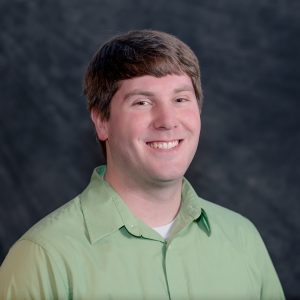
Christopher Hagedon

PT, DPT, AT, ATC, CIMT

Christopher graduated from Central Michigan University with his B.S. in athletic training/sports medicine and then continued on at CMU to complete his doctorate in physical therapy. He holds active licenses as an athletic trainer and physical therapist. Early in his career, he began taking courses with Great Lakes Seminars and completed his certificate in integrated manual therapy through GLS. Christopher enjoys working with patients and athletes of all ages and is a clinic director for Probility Physical Therapy in southeast Michigan, where he also helps provide AT coverage to local schools and teams.

He combines his sports medicine and exercise background with the integrated “test-treat-retest” method of GLS to help reset patients’ systems, improve their motor control, and allow them to reach their functional goals. He focuses on caring for the whole patient and getting to know them as an individual. Originally from the thumb of Michigan and now residing in Jackson County, Christopher loves all seasons of Michigan. He is an avid sports fan and enjoys spending as much time as possible with his wife, daughter, and their two dogs.

What Attendees Are Saying

Course Brochure

Become a GLS Insider!

Become a GLS Insider! Hear from our founder, Patrick Hoban, and our other great instructors with practical insights, videos and upcoming courses delivered right to your inbox.

Exclusive GLS Content Straight to Your Inbox!

Sign up below and become a GLS Insider! You’ll receive emails about courses near you and be the first to hear of new GLS offerings and opportunities. Plus, you’ll receive monthly videos from our amazing instructors with treatment demonstrations and clinical pearls!